Home › Guides › Prevent frozen pipes
How to Prevent Frozen Pipes: A Kannapolis Winter Checklist
Kannapolis winters are mild most of the time, which is exactly why a hard freeze catches people off guard. A lot of local homes have pipes in vented crawl spaces and outside walls. Here is how to keep them from freezing.
By the Kannapolis Water Damage Restoration team · Updated October 2026
Which pipes freeze first
Pipes freeze where cold air reaches them and house heat does not. Check these spots before winter.
| Where | Why it is at risk | What to do |
|---|---|---|
| Crawl space | Vents let freezing air in under the floor | Insulate the pipes and close or cover the vents for winter |
| Outside walls | Kitchen and bath lines often run through thin, cold walls | Open cabinets and drip the faucet on cold nights |
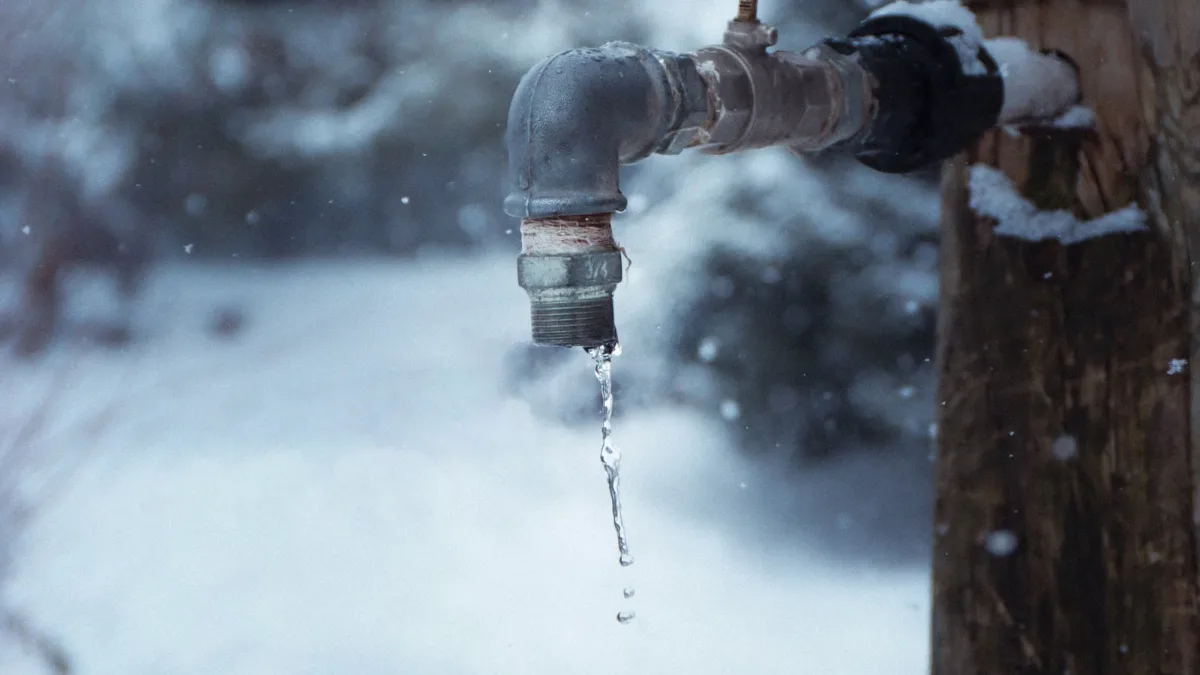
| Outdoor faucets | The pipe runs right through the wall to the outside | Remove hoses, add a foam cover, shut off the inside valve |
| Garage and attic | Unheated, with pipes or a water heater line nearby | Add foam pipe sleeves, and keep the garage door shut |
Why a mild winter is still a risk here
Kannapolis may only see a handful of hard freezes a year. Homes here are not built for long cold snaps the way homes up north are.
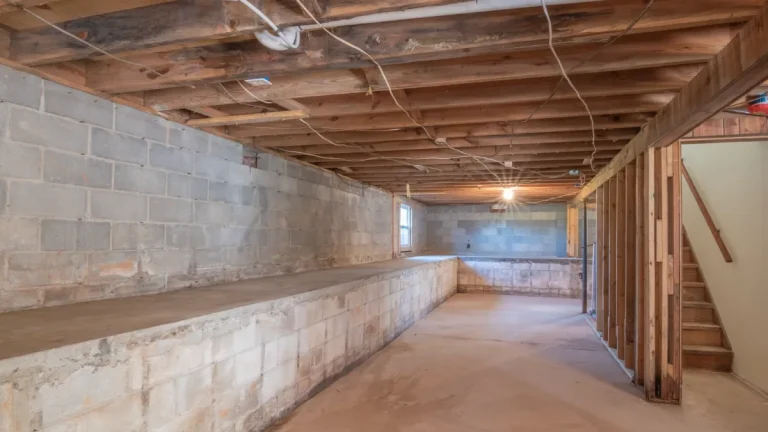
Pipes under older houses often sit in open, vented crawl spaces with little or no insulation. Newer homes can still have lines running through cold exterior walls.
The damage usually shows up when things thaw. Ice splits the pipe, and water starts pouring out once it melts.
Your winter checklist
- Wrap exposed pipes in foam sleeves, especially under the house
- Seal gaps where pipes come through outside walls
- Close or cover crawl space vents for winter
- Know where your main water shut-off valve is, and make sure it turns
- Leaving for a trip? Keep the heat on, or shut off the water and drain the lines
How to thaw a frozen pipe safely
If you turn on a faucet and only a trickle comes out, a pipe is probably frozen.
- Open the faucet so melting water has somewhere to go
- Warm the pipe with a hair dryer, heating pad or space heater kept at a safe distance
- Start near the faucet and work back toward the frozen spot
- Never use a torch, open flame or a propane heater
If you can’t find or reach the frozen section, call a plumber. If you see bulging, frost cracks or water spraying, shut off the main valve right away.
If a pipe bursts anyway
Shut off the main water valve, then turn off power to any wet area. Every minute of running water spreads it farther under floors and into walls.
Then soak up what you can and get air moving. Water that reached the subfloor or walls needs burst pipe water damage drying with proper equipment. If the break was under the house, the guide to a wet crawl space explains what happens next.
Frozen pipe questions
What temperature should I keep my house at to stop pipes freezing?
Keep the thermostat at 55°F or higher, day and night. Set it there even when you are away.
Should I drip all my faucets?
Just the ones on outside walls or fed by pipes in the crawl space. A slow, steady drip of cold water is enough.
How long does it take for pipes to freeze?
It depends on the insulation and the wind. Unprotected pipes in a vented crawl space can freeze in a single hard night.
Will a frozen pipe always burst?
No. Many thaw without damage. But if ice builds pressure in the pipe, it can split, and the leak starts as it thaws.