Home › Guides › After a house fire
What to Do After a House Fire: The First 72 Hours
Nobody plans for this, and the first few days are a blur. This is the order that matters: keep your family safe, start the insurance claim, then protect the house and what is still in it.
By the Kannapolis Water Damage Restoration team · Updated October 2026
Your first three days, step by step
You can’t do everything at once. Here’s a simple order to follow.
| When | What to do |
|---|---|
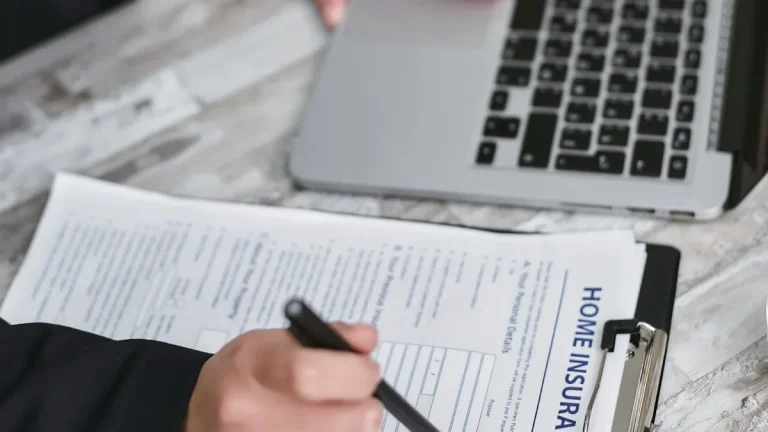
| Day 1 | Find a safe place to stay. Call your insurer and write down your claim number. Ask the fire department for the incident report number. |
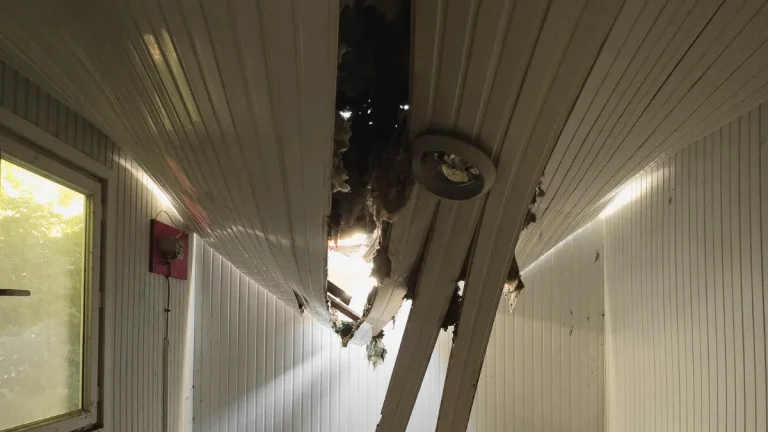
| Day 1 | Get the house boarded up and the roof tarped. Your policy expects you to prevent further damage. |
| Day 2 | Walk through with your adjuster or restoration crew. Photograph every room before anything is moved or thrown out. |
| Day 2 | Start a list of damaged belongings. Keep every receipt for hotels, meals, clothes and gas. |
| Day 3 | Begin water removal and soot cleanup. The longer soot sits, the more it stains and corrodes. |
| Day 3 | Start replacing lost documents and notify your mortgage company. |
Before you go back inside
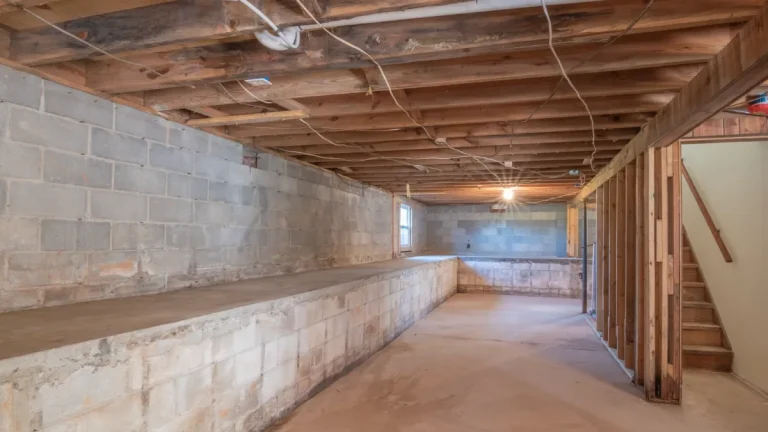
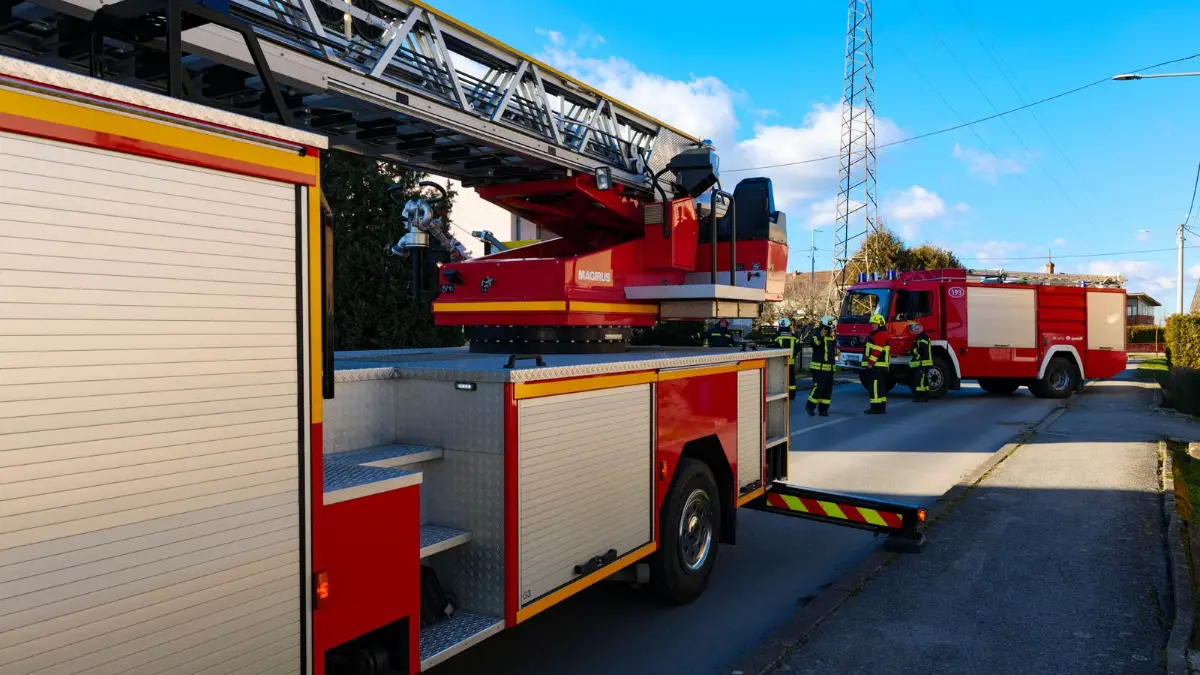
A house that looks fine from the street can have weak floors, a damaged roof or hidden hot spots. Wait for the fire department to release it.
Leave the power, gas and water off. A licensed electrician or the utility company should check them before anything is turned back on.
When you do go in, wear long sleeves, gloves and an N95 mask. Soot and ash irritate the lungs and skin.
What to keep and what to throw away
Photograph and list items before you throw anything out. Your adjuster will want to see them.
- Throw out food, drinks and medicine that were near heat, smoke or firefighting water
- Throw out cosmetics and anything stored in plastic that softened or melted
- Hard items like dishes, glass and metal usually clean up well
- Clothes and fabrics often come back with professional cleaning
- Photos and papers can sometimes be saved. Don’t try to pull wet pages apart
Documents you may need to replace
- Driver’s licenses and Social Security cards
- Birth certificates and passports
- Insurance policies and deeds
- Bank cards, checkbooks and tax records
Call each office or company to ask for a replacement. Keep a log of who you talked to and when.
Getting the house back
Even a small kitchen fire leaves soot, smoke odor and water from the hoses behind. Wiping soot or running the HVAC early can spread the damage.
Full fire damage restoration covers board-up, water extraction, soot and odor removal, contents cleaning and the rebuild. Whoever does the work should photograph and document every room for your adjuster before anything is torn out.
House fire questions
How soon can I go back into my house after a fire?
Only after the fire department releases it. Even then, keep the utilities off until a professional checks them.
Will insurance pay for a hotel after a fire?
Most homeowners policies include loss-of-use coverage for a hotel or rental while the house is repaired. Ask your insurer on the first call.
Should I start cleaning up the soot myself?
No. Wiping soot pushes it deeper into paint and fabric. Leave it for a crew with the right sponges, vacuums and cleaners.
Can I throw away damaged things right away?
Not yet. Photograph and list everything first. Your adjuster may need to see the items before they go.
Dealing with this right now? Call (579) 302-8320.