Home › Guides › Insurance and water damage
Does Homeowners Insurance Cover Water Damage?
Usually yes, if the water came from something sudden and accidental, like a burst pipe. Usually no, if it leaked slowly for months or came in as floodwater. Your own policy has the final word.
By the Kannapolis Water Damage Restoration team · Updated October 2026
What is usually covered, and what is not
Every policy is different, but most standard homeowners policies treat it like this.
| Type of damage | Usually covered? | Why |
|---|---|---|
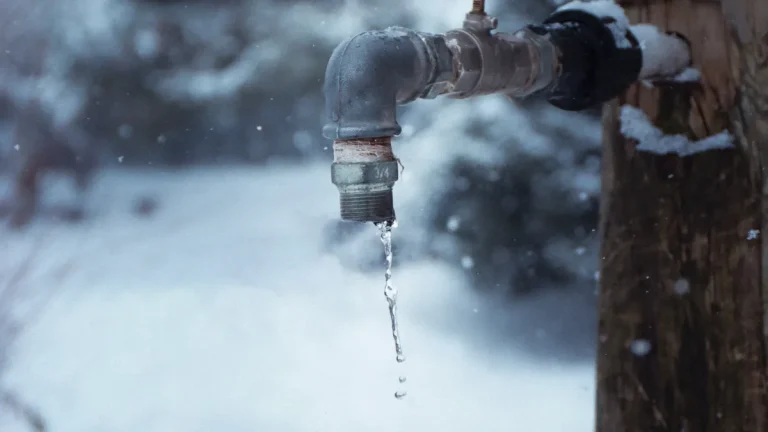
| Burst or frozen pipe | Usually yes | It is sudden and accidental |
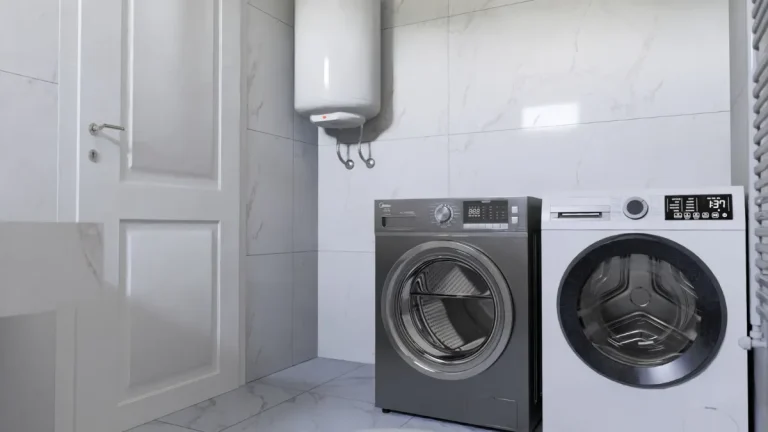
| Supply line or water heater that suddenly fails | Usually yes | The water damage is covered. The broken appliance often is not |
| Slow leak under a sink or behind a toilet | Usually no | Insurers treat long, slow leaks as a maintenance problem |
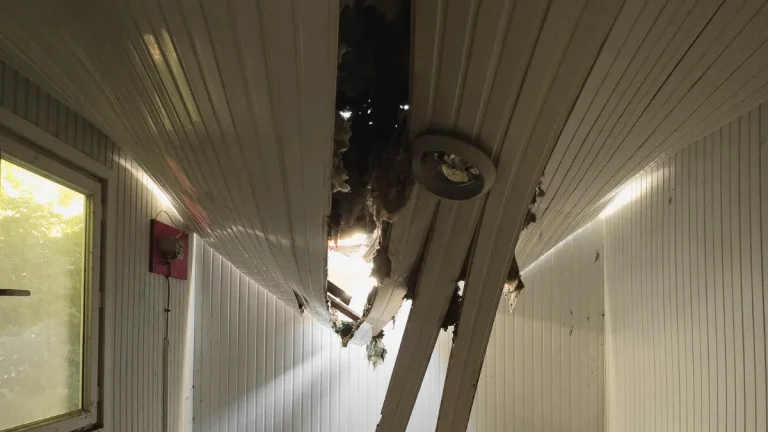
| Roof leak after a storm | Often yes | Storm damage that opens the roof is covered. A worn-out roof is not |
| Flooding from rising water or heavy rain | No | Flood needs its own separate policy |
| Sewer or drain backup | Only with an add-on | Most policies need a water backup endorsement |
| Water used to put out a fire | Yes | It is part of the fire claim |

Sudden vs. gradual: the rule behind most claims
Adjusters look at how long the water was leaking. A pipe that bursts on a cold night is sudden. A drip that rotted the subfloor over a year is gradual.
Signs of a long leak, like rot, rust or old staining, can get a claim denied or cut down.
That is why fast action matters. Water left sitting for days can grow mold, and many policies limit or exclude mold.
Flood damage needs a separate policy
Standard homeowners insurance does not cover flooding from outside. That takes a flood policy, through the National Flood Insurance Program or a private insurer.
NFIP policies usually have a 30-day waiting period before they take effect. You can’t buy one when a storm is already on the way.
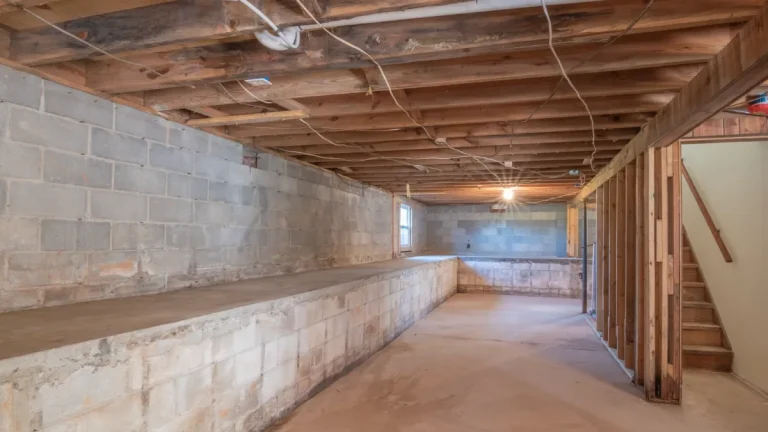
Even outside a mapped flood zone, a heavy summer storm in Kannapolis can push water into a crawl space or ground floor.
Sewer backup is an add-on
Water that backs up through a floor drain, toilet or tub is not covered by most base policies. A water backup endorsement adds that coverage, usually for a small extra cost. Ask your agent if you have it.
How to file a water damage claim
- Call your insurer or agent the same day and get a claim number
- Send photos and a short description of what happened
- Ask what your deductible is and whether you have loss-of-use coverage
- Keep damaged items until the adjuster has seen or approved tossing them
- Get a written scope and moisture readings from the restoration company
What the adjuster will want to see
Adjusters want proof of the damage and the drying: photos, moisture maps, daily drying logs and a room-by-room scope. Ask your restoration company for copies of all of it. The claim stays in your name.
The scope also depends on the source. A burst pipe, floodwater and a sewage backup are cleaned and dried differently. The basics of water damage restoration are the same for all three.
Common insurance questions
Does homeowners insurance cover a burst pipe?
Usually yes. A pipe that suddenly bursts is the most common covered water claim. The pipe repair itself may not be covered, but the damage it causes usually is.
Is a roof leak covered?
It depends on the cause. A leak from storm or wind damage is often covered. A leak from an old, worn-out roof usually is not.
Does insurance pay for mold after a leak?
Many policies cover mold only when it comes from a covered water loss, and often up to a set limit. Drying fast is the best protection.
Should I call a restoration company before my insurer?
You can call both the same day. Stopping the water and starting drying protects your home and your claim.