Home › Guides › Leaking water heater
Leaking Water Heater? What to Do Right Now
A leaking water heater only gets worse. Shut off the power and the water first, then figure out where it’s coming from. A loose fitting is a quick fix. A tank leaking from the bottom is done.
By the Kannapolis Water Damage Restoration team · Updated October 2026
Where is the water coming from?
Dry the tank and the floor with a towel, then watch where new water shows up first. The spot tells you how serious it is.
| Where it’s wet | Likely cause | What it means |
|---|---|---|
| Pipe fittings on top | Loose connection or a worn supply line | Usually a simple plumbing repair |
| Relief valve or the pipe running down from it | Too much pressure or heat, or a worn valve | Get a plumber soon. Never cap or plug this pipe |
| Drain valve near the bottom | Valve not fully closed, or worn out | Often a cheap fix |
| Under the tank, with no other source | The tank has rusted through inside | The water heater needs replacing |
| Beads of water on a gas tank in cold weather | Condensation from the burner | Often not a leak at all; watch it for a day |
Is a leaking water heater dangerous?
The leak itself usually isn’t. What’s around it can be. Hot water scalds, standing water near an electric heater’s wiring is a shock risk, and a gas heater sitting in water can have its burner damaged.
If you smell gas, don’t touch any switches. Get everyone outside and call the gas company or 911 from there.
A relief valve that keeps discharging is a warning sign too. It means the tank is building more pressure or heat than it should.
Signs the tank needs replacing
- Water pooling under the tank with no leak at the fittings or valves.
- Rusty or brown water from the hot side only.
- Rumbling or popping when it heats, from sediment built up inside.
- Rust on the tank body or around the bottom seam.
A tank that leaks from the body can’t be patched. Plan on a new water heater, and don’t wait for it to let go completely.
The water damage often costs more than the heater
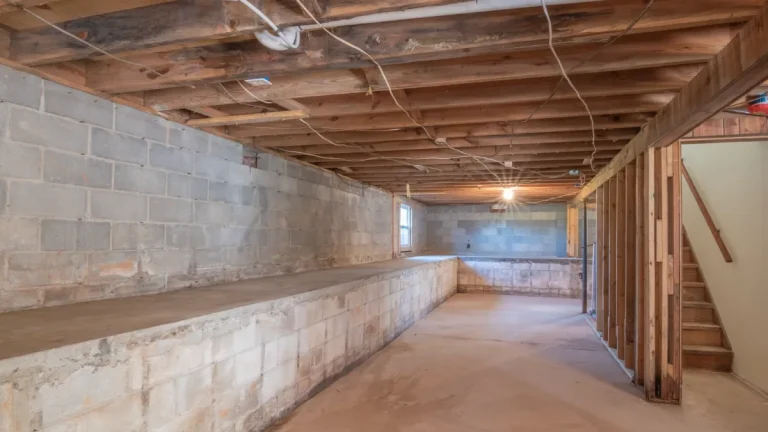
Water heaters in Kannapolis homes sit in garages, hall closets, attics and crawl spaces. A slow leak soaks the subfloor, drywall and baseboards around it. In a closet or attic, it can run into the rooms next door or the ceiling below before anyone sees it.
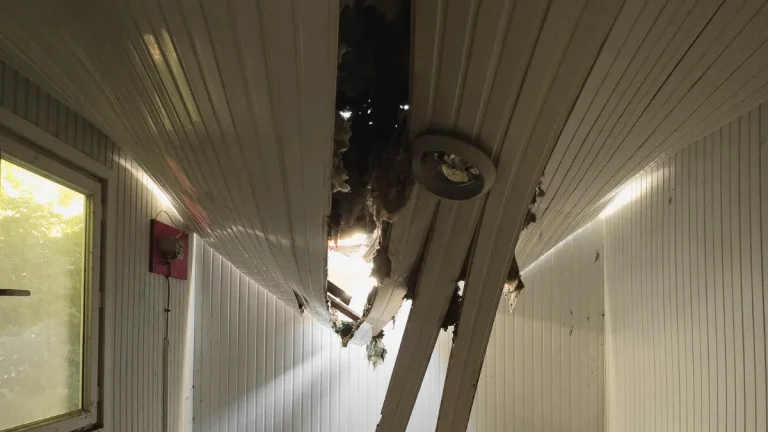
Once the water is off, check the floor and walls around the tank. If drywall is soft, flooring is lifting or water reached another room, the leak has caused water damage that needs real drying, not just a mop. A heater in the crawl space can soak the ground and framing under the house, which calls for crawl space water removal.
How to keep it from happening again
- Put the new tank in a drain pan piped to a drain or outside.
- Flush the tank once a year to clear sediment, following the manufacturer’s instructions.
- Test the relief valve once a year.
- Add a cheap water leak alarm on the floor next to the tank.
Water heater leak questions
Can I keep using the water heater while it leaks?
Not safely if it’s leaking from the tank or the relief valve. A small drip at a fitting can wait for a plumber if you keep the power on and watch it, but turn everything off if the leak grows.
Why is my water heater leaking from the bottom?
Usually because the inside of the tank has rusted through. It can also be the drain valve or water running down from a leak higher up, so dry everything and look again before deciding.
Does homeowners insurance cover water heater damage?
Policies often pay for sudden water damage the leak causes, but not for the old water heater itself. A slow leak that went on for weeks may be denied. The guide on whether homeowners insurance covers water damage explains the difference.
How fast does a water heater leak cause damage?
A slow drip can take weeks to show up as soft flooring or stained drywall. A tank that splits can put dozens of gallons on the floor in minutes, so act quickly either way.
Dealing with this right now? Call (579) 302-8320.